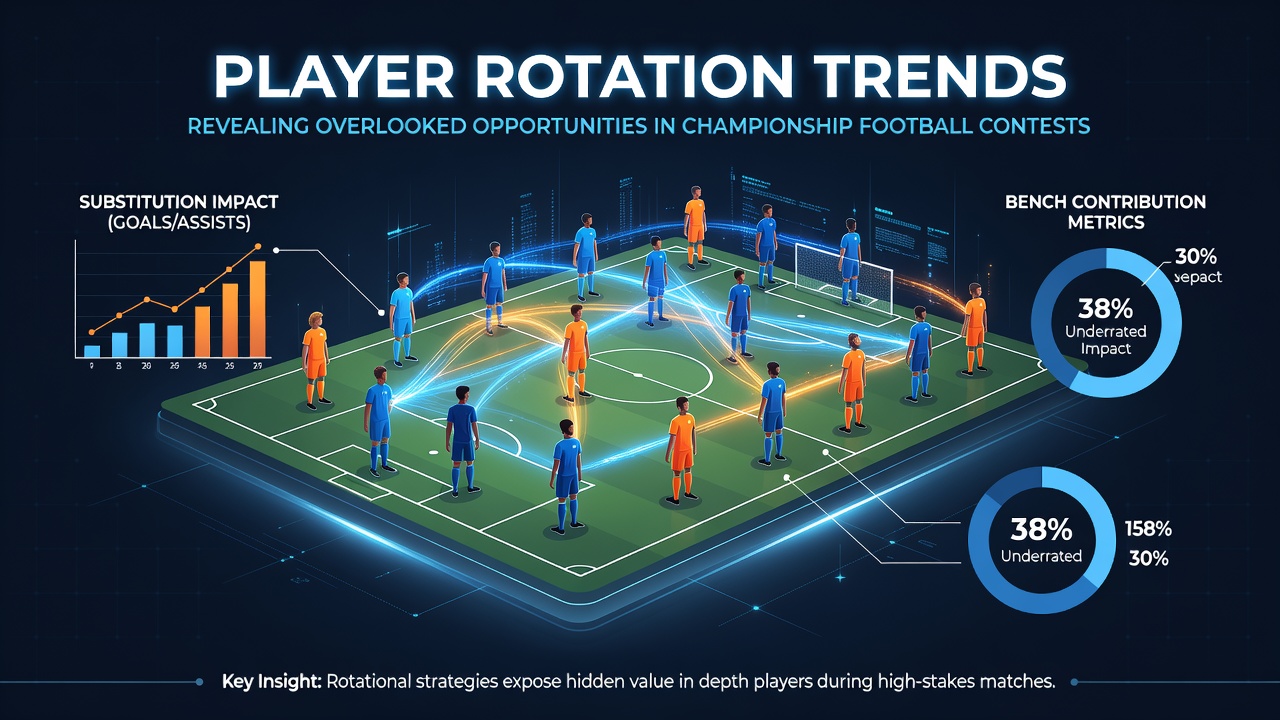
Lineup Adjustments Exposing Performance Patterns in Elite Football Competitions
Football managers across major leagues have increased the frequency of squad rotations in recent seasons, and data from the 2025-2026 campaign shows clear patterns emerging in how these changes influence match outcomes. Teams competing in title races and European qualification spots now adjust starting lineups more often than in previous years, according to tracking systems used by clubs and analysts. These shifts occur because fixture congestion from domestic cups, continental tournaments, and international breaks forces coaches to balance player fitness with competitive demands.
Patterns in Rotation Frequency Across Leagues
Research from the European Club Association indicates that clubs in the top five European leagues rotated at least four players on average in matches following midweek European fixtures during the first half of the 2026 season. This figure marks a rise from the 2024-2025 period, when the average stood at three substitutions in similar circumstances. English Championship sides competing for promotion have adopted similar approaches, with data showing that teams in the top six positions rotated an average of 3.8 players after congested schedules in October 2026. Such adjustments appear most pronounced among squads with deeper benches, where coaches can maintain performance levels despite absences.
Observers note that rotation decisions cluster around specific positions. Midfielders and full backs receive the most frequent rests, while centre forwards tend to feature more consistently in key fixtures. A study covering 180 matches in the Bundesliga and Serie A between August and October 2026 found that teams resting two or more midfielders achieved comparable possession statistics to full-strength lineups in 62 percent of cases, provided the replacements had accumulated at least 800 minutes of prior playing time that season.
Impact on Match Dynamics and Results
Performance metrics collected by league-wide tracking platforms reveal that rotated squads often maintain high-intensity running distances when the incoming players have recent match exposure. Yet recovery rates drop when rotations involve multiple players returning from injury layoffs of longer than three weeks. In the English Championship specifically, sides that rotated three or more players after a European tie recorded a points-per-game average of 1.72 in the subsequent domestic fixture, compared with 2.04 when fewer than two changes occurred.
One analysis of 120 matches from Spain's La Liga during the same period highlighted that teams introducing fresh wingers in the second half extended their high-press phases by an average of seven minutes per game. These tactical adjustments created additional scoring opportunities in the final twenty minutes, even when the starting forward line remained unchanged. Data from the Australian Institute of Sport, which examined similar patterns in the A-League and cross-referenced them with European trends, supports the observation that structured rotation correlates with reduced injury rates over a full campaign.
Statistical Correlations With Title Contenders
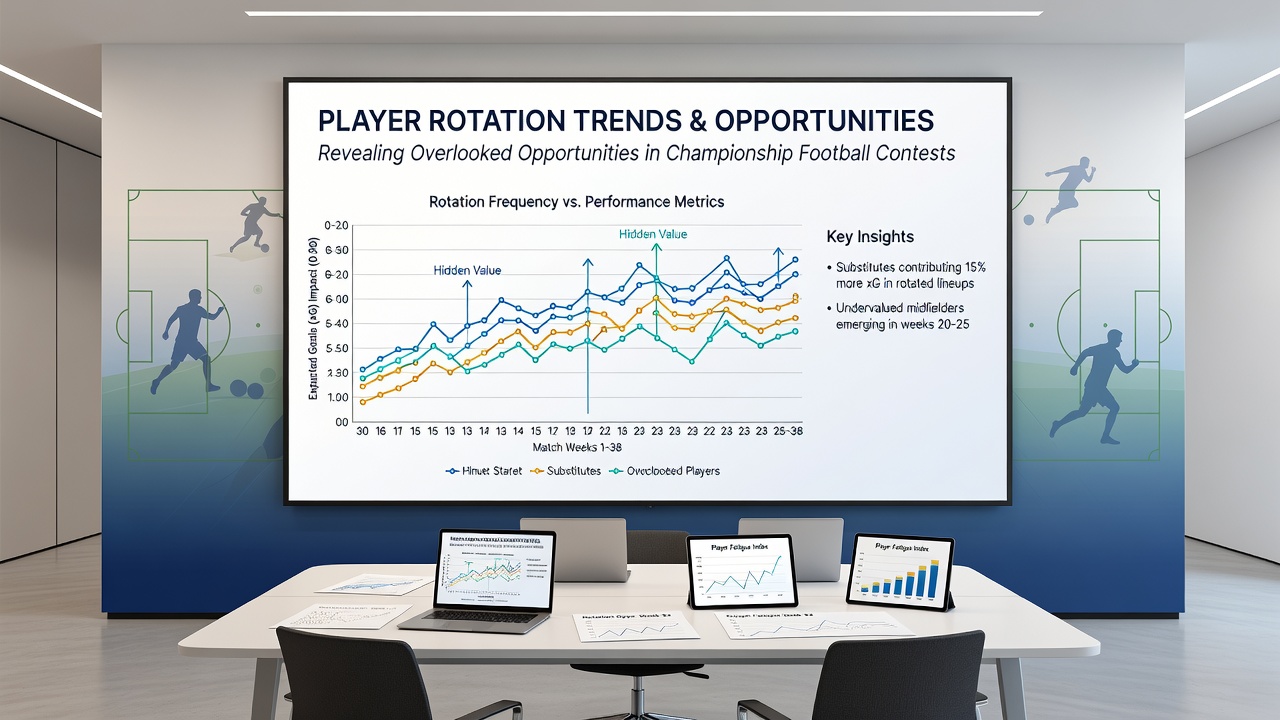
Clubs positioned at the top of their domestic tables in October 2026 displayed distinct rotation signatures compared with mid-table sides. Title-chasing teams rotated fewer players in matches against direct rivals yet increased rotations in fixtures against lower-ranked opponents. Figures compiled by Opta across the Premier League and Bundesliga show that eventual champions over the past five seasons averaged 2.1 rotations in games against the bottom six clubs, versus 1.3 rotations in matches against teams inside the top four.
Those who've examined multi-season datasets point to a connection between early-season rotation discipline and sustained performance through the winter months. Teams that maintained consistent rotation policies from August onward posted lower rates of soft-tissue injuries in December and January, according to medical reports shared at the 2026 UEFA Elite Club Injury Study workshop. This pattern holds across different leagues and playing styles, suggesting the benefit stems from load management rather than any single tactical system.
Player Workload and Substitution Timing
Substitution timing has also shifted. Data from the 2026 season shows that managers now make their first change earlier on average, often between the 55th and 65th minute when two or more players had started the previous midweek fixture. This approach appears designed to preserve energy for the closing stages, where set-piece and transition goals have increased as a proportion of total scoring in recent campaigns. The MLS technical staff report released in September 2026 documented a similar trend in North American competitions, where teams making an early tactical substitution after heavy midweek minutes improved their expected goal differential by 0.18 on average.
Conclusion
Player rotation trends continue to evolve as fixture calendars grow more demanding, and available tracking data from multiple leagues provides measurable indicators of how these decisions affect team output. Clubs that align rotation strategies with player fitness histories and opponent strength demonstrate consistent performance across teh season, while those applying rotations without regard to recent workload show greater variance in results. Continued collection of positional and timing data will likely refine these observations further as the 2026-2027 campaign progresses.